
How to Clean a French Drain and Clear Out Clogs
If you’re lucky enough to have a French drain, you know it’s your secret weapon against water damage in your yard and basement. However, like any drainage system, French drains need some TLC to stay in peak condition. Over time, leaves, mud, and roots can sneak into the pipes, causing clogs that stop water from flowing. Follow this step-by-step guide to learn how to clean a French drain and keep your property dry.
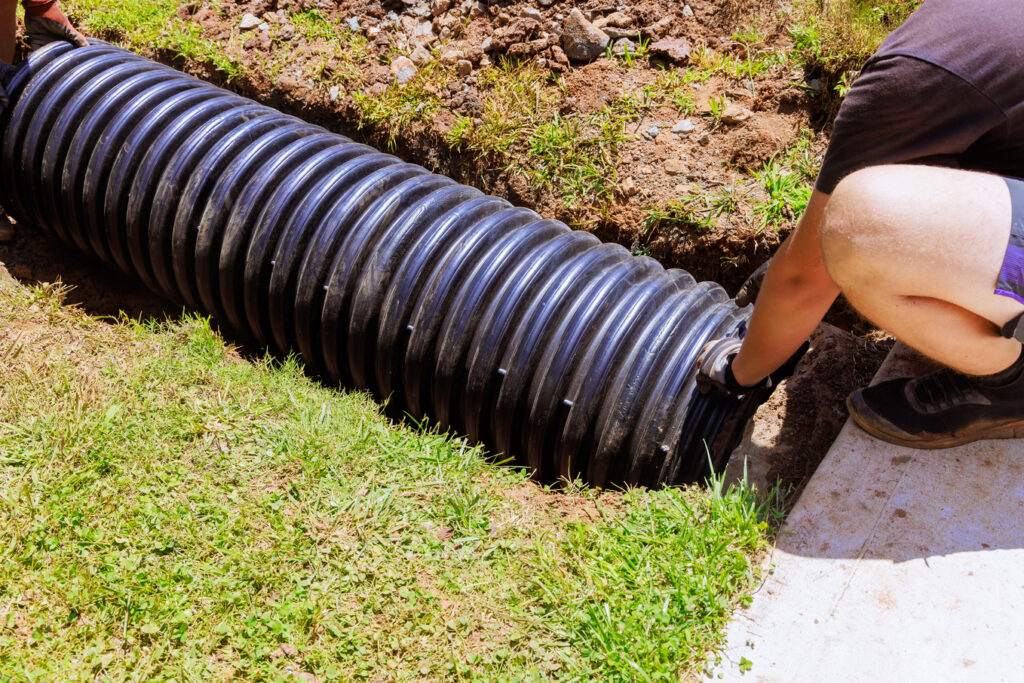
Why Clean Your French Drain?
French drains are designed to reroute water away from areas where it can cause issues, like your foundation or basement. Without regular cleaning, a clogged French drain can cause water to back up, resulting in soggy lawns, flooded basements, and even structural damage. Cleaning your drain once a year (or as soon as you notice slow draining) can save you a big headache in the long run.
Step 1: Locate the Access Point
Finding the access point is the first task in cleaning your French drain. This is typically where water flows into the system, which could be a pipe sticking up in your yard, a grate, or even a gutter downspout that connects to the drain. In many cases, it’s located at the highest point of your yard or near the foundation of your home.
Pro Tip: If you’re not sure where your French drain starts, try looking around the perimeter of your yard or property. If your property is sloped, the drain will usually begin near the highest point, as French drains work with gravity to guide water downhill.
Step 2: Test for Clogs
Before jumping straight into cleaning, it’s a good idea to test if there’s actually a clog. Attach a garden hose to the access point and let water run through the pipe. If the water flows easily and you hear it draining out of the other end, your drain is clear! But if it starts to back up, there’s likely a clog that needs attention.
This quick test not only helps you avoid unnecessary cleaning but also gives you a sense of where the blockage might be.
Step 3: Start with a Pressure Washer for Light Clogs
Pressure washing is one of the simplest ways to clear out minor clogs and keep your drain flowing smoothly. Insert the pressure washer nozzle into the access point and start spraying. The high-powered water will help loosen debris, dirt, and other buildup inside the pipe.
- Safety Tip: Always stand to the side of the pipe when using a pressure washer. Clogs can cause water to spray back toward the opening, and standing to the side will keep you dry (and clean).
- Technique: Slowly rotate the nozzle around to target different parts of the pipe. You may need to adjust the angle to ensure you’re blasting water at all sides of the interior for the best results.
If you see water starting to flow, keep flushing until the drain is completely clear. If the clog is stubborn and doesn’t budge, it’s time for a more heavy-duty approach.
Step 4: Bring in the Big Guns – A Drain Snake
For tougher clogs, a drain snake is the tool you need. Drain snakes are perfect for breaking through compacted mud, leaves, and even roots that might have found their way into your French drain. Most hardware stores offer rental drain snakes, so you don’t have to buy one for this occasional task.
- Preparation: Grab a pair of sturdy gloves and safety glasses. These protect your hands from rough edges on the drain snake and shield your eyes from any bits of debris that may come flying out.
- Using the Snake: Feed the snake into the access point until it reaches the clog. Slowly rotate the snake, allowing its claw or hook to grab onto the obstruction. Don’t rush—slow and steady wins the race with drain snakes, as fast movements can damage the pipe.
- Working Through the Clog: As you move the snake forward, you may feel resistance if you hit a root or other tough blockage. Give it time to break through, and once you feel the blockage start to give, gently work the snake back and forth to clear out any remaining debris.
Step 5: Rinse Out Remaining Debris
Once you’ve used the snake to clear any obstructions, it’s time for a final rinse. Use your garden hose or pressure washer again to flush out any loose debris that may still be lingering in the pipe. Water should flow freely through the drain at this point, indicating that your hard work has paid off!
Step 6: Inspect the Area Around the Drain
Sometimes, the cause of poor drainage isn’t just in the pipe itself but around it. Walk around the French drain and check for any signs of ground damage, like sinking, heaving, or compacted soil. Nearby trees, in particular, can send roots that disrupt or damage the drainage system. If you notice a buildup of soil above the pipe, gently clear it away to ensure water can flow into the drain’s weep holes.
Did You Know? Tree roots can be one of the biggest culprits of clogged French drains, as they naturally seek out water sources. Installing root barriers can help protect your drain from further root intrusion.
French Drain Maintenance Tips
To avoid frequent clogs, consider these maintenance tips to keep your French drain flowing smoothly year-round:
- Annual Cleaning: Make it a habit to clean your French drain at least once a year. This will prevent minor blockages from becoming big problems.
- Keep an Eye on Roots: If you have trees or large shrubs near your drain, check for root growth around the pipe annually. Installing a root barrier can save you from future clogs.
- Flush Regularly: Even if you don’t have a clog, flushing the drain with water every few months can help remove small debris before it accumulates.
- Stay Clear: Remember, always stand to the side when using a pressure washer or hose on the drain to avoid getting soaked by any unexpected spray!
When to Call in the Pros
While cleaning a French drain is manageable for most homeowners, there are times when it’s best to call in a professional. If you encounter persistent clogs or suspect that roots have extensively damaged the drain pipe, professional help can save you time and potential repair costs.
Keep Your French Drain in Top Shape with Ray Lawns
Cleaning a French drain can seem intimidating, but a little maintenance goes a long way toward preventing costly water damage. Regular care, like flushing out debris and checking for root intrusion, will keep your drain working efficiently. And remember, Ray Lawns is here to help! For tough clogs, installation, maintenance, or questions about your drain system, our experts have the tools and experience to get the job done right. Contact us today to keep your lawn—and your basement—dry and safe.
get a quote today!
"*" indicates required fields

We take lawn care so seriously that we consider it an art. Our basic service is lawn maintenance, which includes lawn mowing, trimming, edging, and blowing off clippings.

Our landscaping services include most types of yard work. We are excellent at trimming hedges, installing mulch, and creating flowerbeds.

This is our rescue effort for yards that have become entirely overgrown. Includes multiple passes with the lawn mower to tame even the most unruly yards.