
7 DIY French Drain Mistakes (and How to Avoid Them)
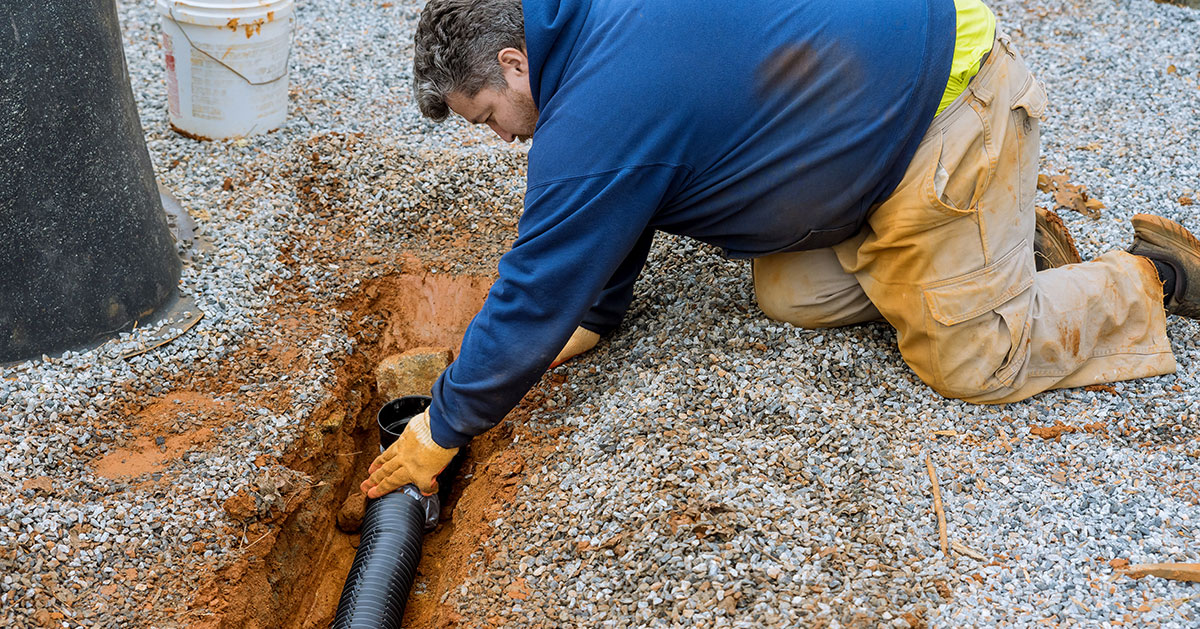
Installing a French drain might seem like a simple project, but DIY French drain mistakes can lead to bigger problems if you’re not careful. Whether you’re trying to prevent water from pooling in your yard or protect your foundation from excess moisture, a poorly installed drain can do more harm than good. From improper pipe placement to neglecting regular maintenance, there are plenty of ways a French drain can fail.
If you’re considering installing one yourself, here are seven common French drain mistakes to watch out for—and what you can do instead.
Common DIY French Drain Mistakes:
1. Not Identifying the Real Source of the Water Problem
A French drain only works if it’s targeting the right issue. Some homeowners assume any standing water means they need a French drain, but if the problem is actually poor grading, compacted soil, or faulty gutters, a French drain alone won’t solve it.
- Pro tip: Observe how water moves after a heavy rain. If runoff from your roof or high ground is the issue, you may also need gutter extensions, grading improvements, or additional drainage solutions.
Choosing the Wrong Type of Pipe
Not all drainage pipes are created equal. The two most common options for French drains are:
- Corrugated plastic pipes (cheaper but prone to clogging and collapsing)
- PVC pipes (more durable but harder to install and more expensive)
Some DIYers opt for corrugated plastic because it’s easier to work with, but it’s also more likely to get crushed or clogged over time.
- Pro tip: If you’re looking for a long-term solution, PVC is the better choice, especially for handling heavy water flow.
3. Digging the Trench Too Shallow
If a trench isn’t deep enough, water won’t properly flow into the drain, and you could end up with standing water or erosion. A good rule of thumb is to dig at least 18-24 inches deep, but this varies depending on soil type and yard slope.
- Pro tip: The trench should also have a steady downward slope—about 1 inch of drop per 8 feet of pipe—to ensure proper drainage.
Incorrect Pipe Placement
Many homeowners mistakenly place the pipe directly on the bottom of the trench, but it actually needs to be elevated slightly within a layer of gravel. This allows for better drainage and helps prevent sediment from clogging the pipe.
- Pro tip: Place at least 2-3 inches of gravel beneath the pipe before setting it in place. Then, surround it with more gravel to encourage proper water flow.
5. Forgetting to Plan for the Discharge Point
A French drain is only as good as its exit point. If the water has nowhere to go, you might just be moving your drainage issue from one spot to another—sometimes even closer to your home’s foundation.
- Pro tip: Always direct the water to a safe location, like a storm drain, dry well, or a lower-lying area with good absorption.
6. Skipping a Drainage Fabric Liner
A big French drain mistake DIYers make is not using a landscape fabric liner inside the trench. Without it, dirt and debris can clog the gravel and pipe over time, reducing drainage efficiency.
- Pro tip: Wrap the pipe and gravel in a high-quality landscape fabric to keep everything flowing smoothly.
7. Neglecting Maintenance
Even a well-installed French drain requires occasional maintenance. Over time, dirt, roots, and debris can clog the system, reducing its effectiveness. If you ignore it, you may find yourself dealing with the same drainage issues all over again.
- Pro tip: Inspect your French drain at least once a year by flushing it with water to ensure it’s draining properly. If you notice slow drainage, it may be time for a professional cleaning.
- Check out our blog to learn how to clean a French drain and keep it working flawlessly.
Avoid Costly French Drain Mistakes From the Start
A properly installed French drain can be a game-changer for your yard, preventing water damage and keeping your landscaping in top shape. But as you can see, small French drain mistakes can cause major headaches down the road. Taking the time to plan carefully, use the right materials, and perform regular maintenance can make all the difference.
If you’re unsure about tackling this project on your own, bringing in a professional can save you time, money, and frustration. At Ray Lawns, we’ve installed hundreds of French drains and have the process down to a science. Whether you need a new system or maintenance on an existing one, our team is here to help.
If you’re looking for expert French drain installation or maintenance in Chattanooga and the surrounding areas, check out our French drain services to learn more.
get a quote today!
"*" indicates required fields

We take lawn care so seriously that we consider it an art. Our basic service is lawn maintenance, which includes lawn mowing, trimming, edging, and blowing off clippings.

Our landscaping services include most types of yard work. We are excellent at trimming hedges, installing mulch, and creating flowerbeds.

This is our rescue effort for yards that have become entirely overgrown. Includes multiple passes with the lawn mower to tame even the most unruly yards.